
Kirtan Sequence and Flow
In this course we analyze the progression and variations of melodies and rhythms of 12 recorded kirtans. We also discuss other important and subtle aspects of kirtan that may not be so obvious. You will get an inside look into leading and accompanying kirtan, and gain inspiration to lead your own kirtans.
-
Instructors: Bada Haridas & Visvambhar Sheth
-
Level: All levels
-
Videos: 26 (5h 30m)
-
Price: $50 USD
What's included in the course?
Leading a group of people in kirtan is a wonderful and challenging experience. This course was designed to shortcut your learning process. Much of what we’ve analyzed and imbibed over decades of leading and accompanying kirtan, you can learn in 26 lessons (5.5 hours) of sweet kirtan and insights.
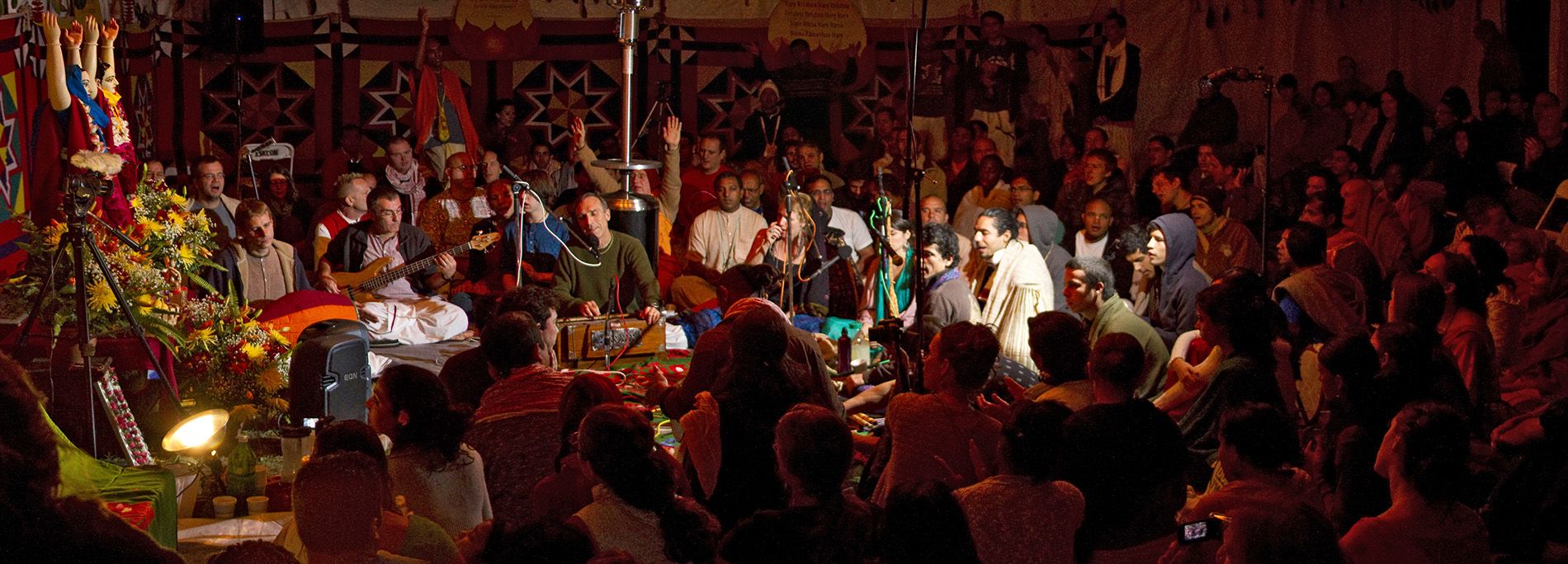
Course Preview
Frequently asked questions
What is the purpose of the Kirtan Sequence & Flow course?
This course helps you understand how to lead a complete kirtan: choosing melodies, flowing between sections, building energy, communicating with musicians, and ending gracefully.
Is this course for beginners or intermediate students?
It is ideal for both. Beginners learn structure and confidence; intermediate students refine artistry and leadership.
Do I need to play an instrument?
No. Instrumentalists and vocalists both benefit. Harmonium, mridanga, kartal, or voice training students will find this course valuable.
Why is sequencing important?
A well-sequenced kirtan supports sustained focus on the mantra, deepens meditation and helps build emotion.
How do I know when to speed up or slow down?
In these lessons, we give you some ideas of how it can be done.
Try these first. You will gradually learn to sense collective energy, read audience engagement and develop your own intuition according to time and circumstance.
Try these first. You will gradually learn to sense collective energy, read audience engagement and develop your own intuition according to time and circumstance.
How do I communicate with other musicians?
Through eye contact, body language and subtle rhythmic cues.
Why study so many melodies?
Each melody has a unique mood. Knowing several melodies allows you to customize your kirtan based on time, place, and audience.
What does “building the kirtan” mean?
Gradually increasing volume, tempo and devotional emotion.
How do I avoid rushing?
Learn to relax and stay in the present moment with the mantra. Percussion musicians need to follow the lead singer, and not rush the tempo.
How should mridanga and kartal players follow the leader?
Be sensitive to the mood of the singer. Support—not overpower—the melody. Be sensitive to tempo and rhythm.
How do I receive the course completion certificate?
Complete all lessons and mark each as finished.
Is there a final test?
No exam—your progress through the course is your demonstration of completion.
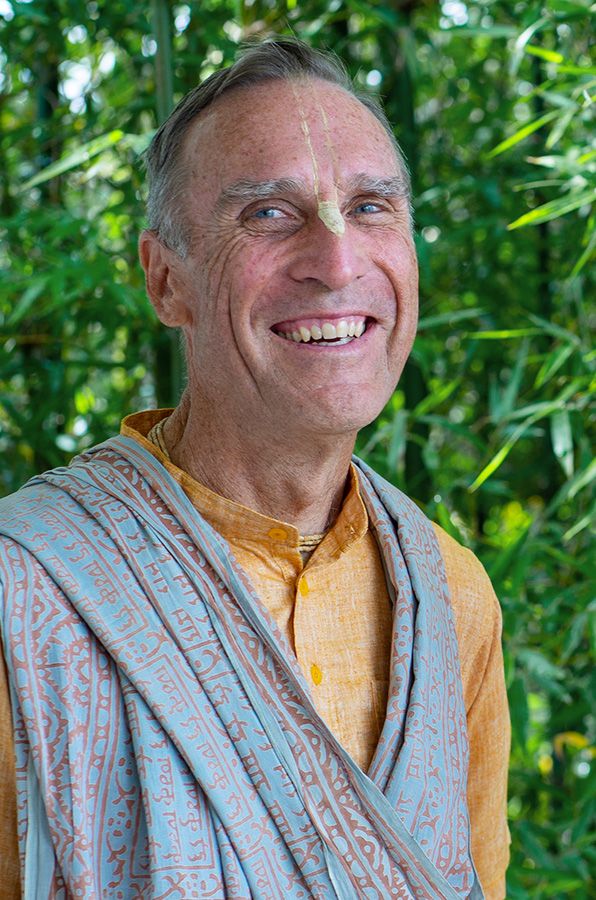
meet your instructor
Bada Haridas
A lifelong musician, Bada Haridas has studied and taught Indian devotional music since 1975. He is a celebrated Kirtan singer and performs at festivals around the world.
In this unique course, he shares his knowledge and years of experience to help you enter into the world of sacred music and Kirtan.
In this unique course, he shares his knowledge and years of experience to help you enter into the world of sacred music and Kirtan.
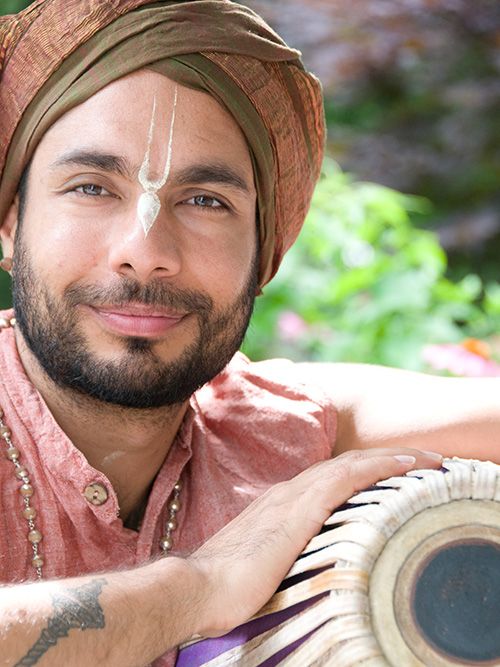
meet your instructor
Visvambhar Sheth
An internationally recognized Kirtan-singer, recording artist, and inspirational speaker, Visvambhar (Vish) has a lifelong connection to India and its culture. Being brought up in a Kirtan family and community, he began leading Kirtan when he was five years old. Vish has a rare capacity to invoke and transmit the essence of kirtan.
Bundle offer
Kirtan Sequence & Flow, Mridanga 1, & Kartal Course
Save on these 3 courses
Courses included:
Art of Kirtan is a program of Arts of Vaisnava Culture, Inc., a 501(c)(3) nonprofit organization. All donations in the US are tax deductible. EIN #59-3443801

Copyright © 2026 Art of Kirtan